
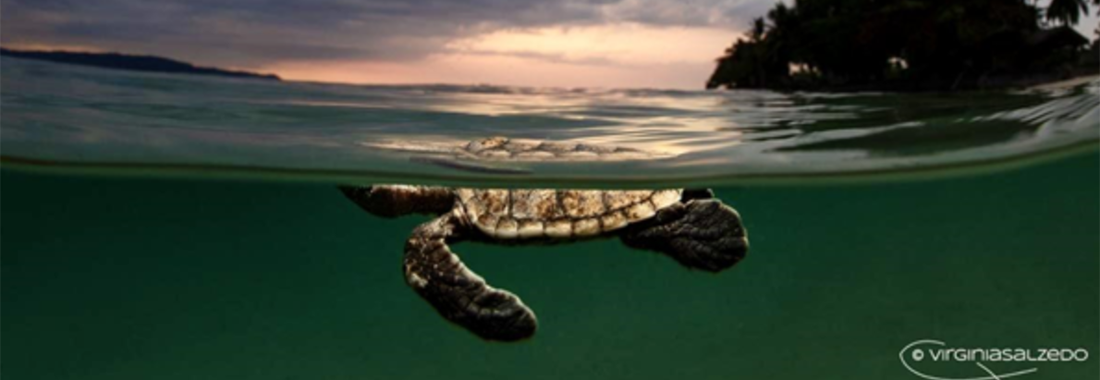
For those who truly know the sea, it is not only about whales or spectacular encounters with its most iconic inhabitants. This is certainly the case for Virginia Salzedo, an internationally renowned underwater photographer whose lens is drawn above all to the smallest protagonists of marine ecosystems: organisms often invisible to most people, yet essential to understanding the complexity and fragility of life beneath the surface.
The Hidden Perfection of Small Marine Life
Observing the behaviour of marine animals, particularly during reproduction, has profoundly changed the way she sees nature. More than the grandeur of individual species, what fascinates her is the remarkable precision with which every organism contributes to the continuity of life.
“I am deeply fascinated by the behaviour of the small organisms that live in the sea, especially during reproduction and while caring for their offspring. I have discovered the incredible perfection and dedication that animal species devote to ensuring the continuation of life. Humans have so much to learn from them.”
For Salzedo, the sea is a constant lesson in cooperation, resilience and adaptation.
The Mandarin Fish (Synchiropus splendidus)
Among the encounters she remembers most vividly is the mandarin fish (Synchiropus splendidus), observed during dives in the Indo-Pacific.
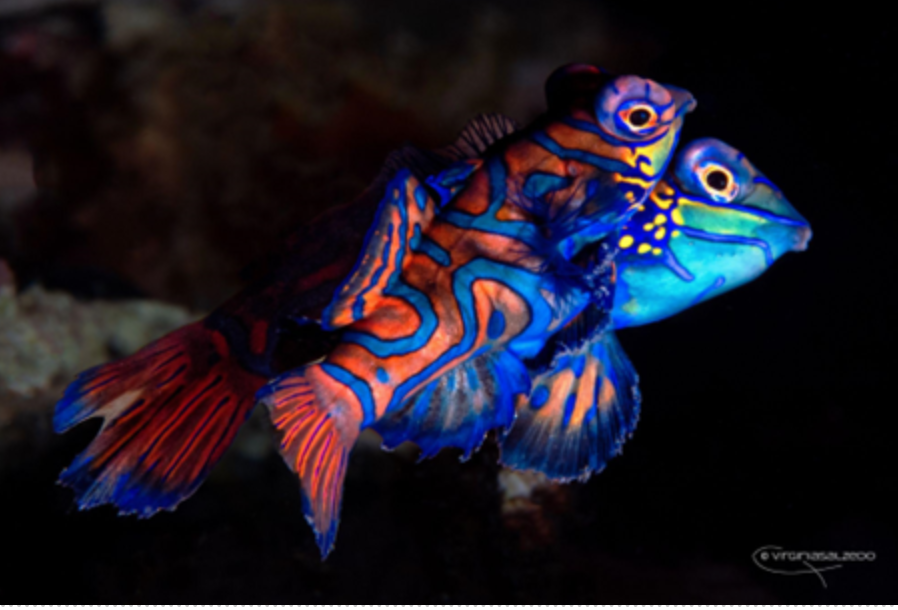
Small, brilliantly coloured and exceptionally shy, this fish performs an extraordinary courtship ritual every evening—one that is as breathtaking as it is difficult to capture.
“As dusk falls, it emerges and begins wandering in search of a mate. The search can last several minutes, and only occasionally does it lead to mating. But that is the moment I love most: they become one, nose to nose, and swiftly ascend toward the surface. It all lasts only an instant, giving you the chance to take just one photograph before they disappear into the night.”
These are images that demand patience, a deep understanding of animal behaviour, and an extraordinary ability to wait. Photography, for Salzedo, begins long before pressing the shutter—it starts with careful observation.
Telling the Sea's Story to Protect It
For Virginia Salzedo, photography is first and foremost a tool for knowledge. Revealing what happens beneath the surface means making visible a world that most people will never have the opportunity to experience firsthand.
“It certainly helps people understand what is happening beneath the sea, and how vulnerable marine animals and ecosystems have become.”
She continues:
“I truly wish photography could also contribute to the protection and conservation of species and ecosystems. Unfortunately, today it feels increasingly difficult to protect the sea. Sometimes I have the impression that every action we take is just a drop in the ocean.”
A Changing Mediterranean
After years spent observing marine ecosystems, what has struck Salzedo most is the cyclical pattern of certain species, which seem to appear in great abundance only to vanish almost completely.
“I have witnessed the dramatic decline—or near disappearance—of species such as sponges, sea stars, Pinna nobilis and sea urchins, while other species, including fireworms, lionfish and jellyfish, have proliferated uncontrollably.”
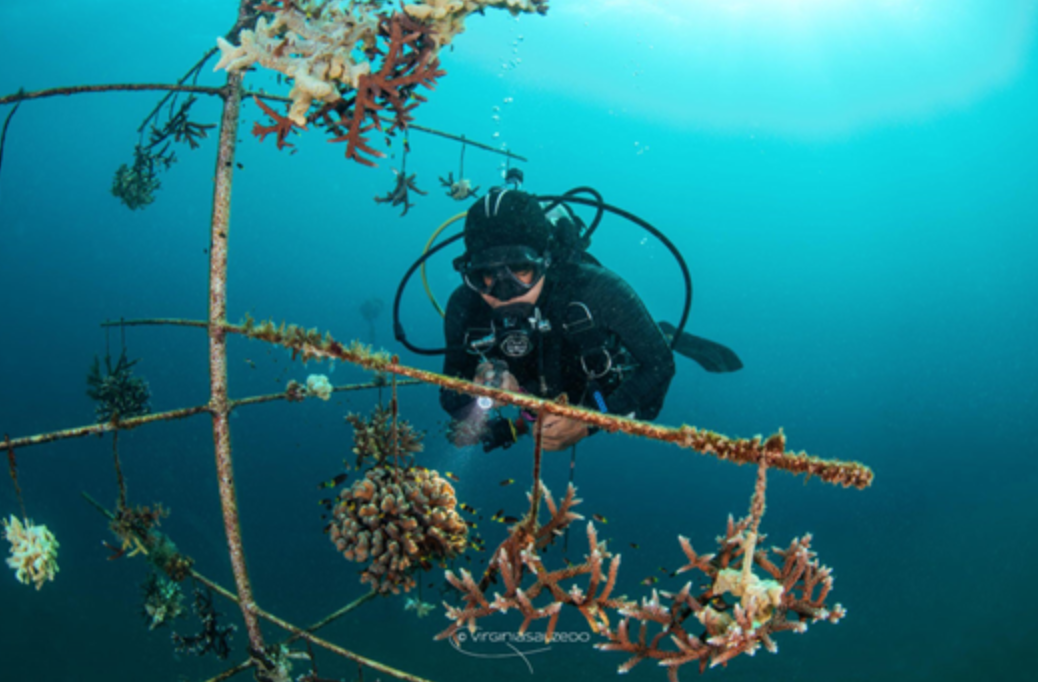
Yet it is the condition of coral communities that leaves her with the deepest sense of helplessness.
“It has been heartbreaking to see corals suffering, losing their colour, or to dive in remote places only to find broken corals or large marine animals that have been injured. That truly breaks my heart.”
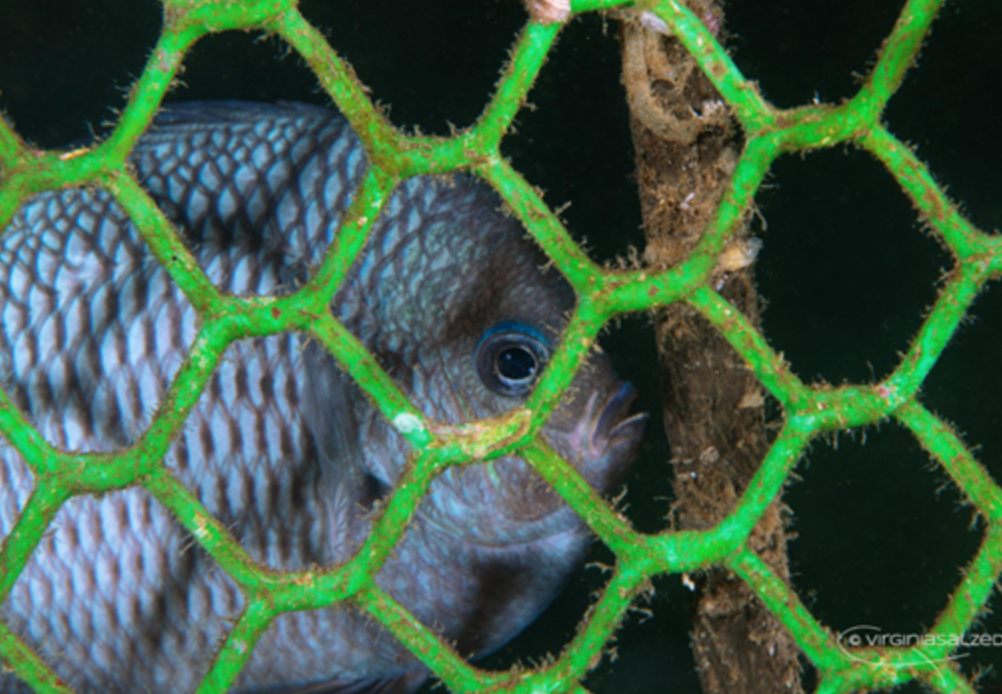
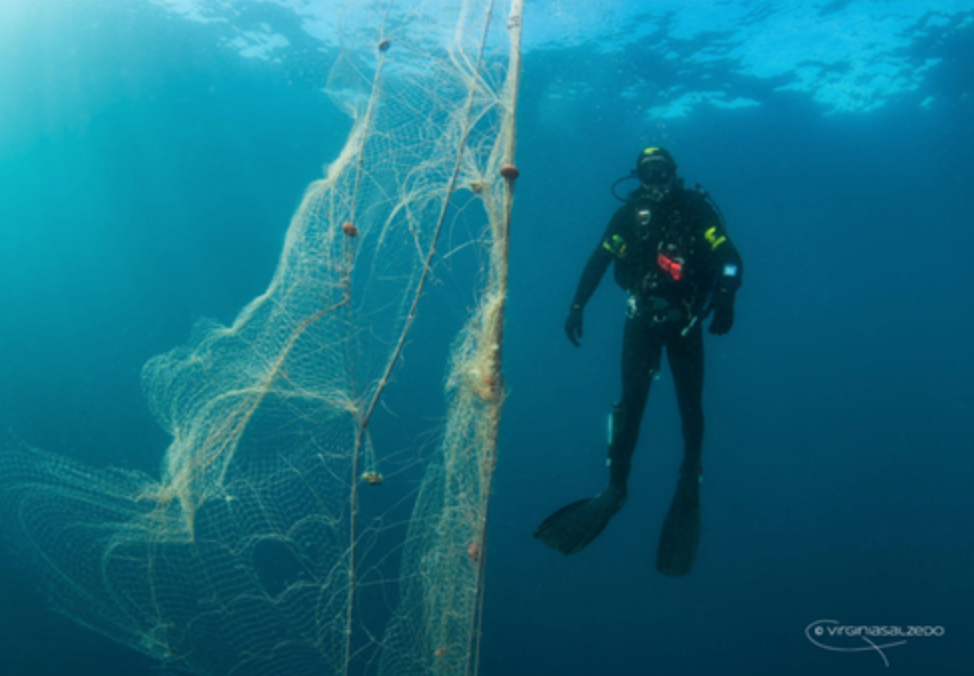
Salzedo also recalls the rescue of a large sea turtle trapped in a fishing net, as well as an operation carried out alongside the Italian Underwater Carabinieri to remove a ghost net that continued to entangle and kill marine wildlife.
These are images that embody both hope and vulnerability.
The Future of Our Oceans
This year's World Ocean Day focuses on the relationship between people and the ocean, inviting us to reimagine how we protect these invaluable ecosystems. Looking towards the international 30×30 target, Virginia Salzedo has no doubts about the crucial role of Marine Protected Areas.
“I firmly believe in the fundamental importance of Marine Protected Areas, and I hope many more will be established because they truly work.”
She adds:
“I would also like to see stricter laws for those who fail to respect the sea, and stronger enforcement by the authorities responsible for protecting it.”
In closing, Salzedo makes a heartfelt appeal for collective responsibility: to care for the sea today so that future generations may inherit its extraordinary richness—not merely its memory.
Latest news

After Decades on the Seabed, Ghost Net Removed off Villasimius with GhostNetBusters
120 kg of fishing nets were removed from the seabed, while a further 510 kg of nets and other fishing gear recovered during previous operations were disposed of, together with…

"GhostNetBusters”: Patagonia joins MEDSEA and the Capo Carbonara MPA to free the seabed from ghost nets
Villasimius will host “GhostNetBusters”, an environmental initiative organised by the MEDSEA Foundation in collaboration with the Capo Carbonara Marine Protected Area, with the support of Patagonia

Posidonia oceanica: First Restoration Intervention Launched in Lacco Ameno Bay, Ischia
As part of the Oasi Marina initiative promoted by Beiersdorf and announced last year, MEDSEA Foundation has completed its first Posidonia oceanica restoration intervention in Lacco Ameno Bay, on the island of Ischia. The restoration…

CRESO Project Meets in Nice: MEDSEA Presents a Roadmap from Climate Risk to Coastal Action
The Interreg Marittimo project CRESO gathered its partners in Nice on 5 June 2026 for a full-day meeting dedicated to presenting the first year of work on a cross-border approach…

Wetland4Change, from research to planning: the project’s final meeting in the Camargue
Two days of discussion on wetland-based solutions for carbon sequestration and flood risk reduction. MEDSEA presented the results from the Marceddì–San Giovanni pilot site together with representatives of the Regional…

ARTEMIS, from pilot actions to Mediterranean-scale impact: MEDSEA at the final conference in Menorca
Three days of discussion on the results of the Interreg Euro-MED project dedicated to seagrass meadow restoration. MEDSEA presented the Sardinian pilot site and the communication work that documented two…

Posidonia Restoration: 15 ARTEMIS Recommendations to Support Italy and the Mediterranean in Implementing the Nature Restoration Law
The restoration of Mediterranean seagrass meadows must move from fragmented pilot projects to long-term, large-scale action supported by coherent governance and sustainable financing, according to the new report released by…

Marco Spinelli. The power of storytelling to protect seas
For Marco Spinelli, the sea has always been home. A photographer, documentary filmmaker and explorer of the underwater world, he grew up in Sicily, where he spent his childhood exploring the…

Mona Khalil: A Life Devoted to the Sea, Cut Short by War
The voice of Mona Khalil, guardian of southern Lebanon's sea turtles, has been silenced by bombs. For more than twenty years, Mona dedicated her life to protecting sea turtles on…

El Niño: The planet's irregular heartbeat that could also affect the Mediterranean.
El Niño is one of the most important natural climate phenomena on Earth. Although it originates in the tropical Pacific Ocean, it can influence weather and climate on a global scale…

Virginia Salzedo. Finding Resilience in a Fragile Sea
For those who truly know the sea, it is not only about whales or spectacular encounters with its most iconic inhabitants. This is certainly the case for Virginia Salzedo, an internationally…

Mediterranean Seagrass Restoration Efforts Continue in Greece
Following restoration interventions in Sardinia and Malta, MEDSEA has now completed a new restoration campaign on the Greek island of Arkoudi, working alongside iSea, a Greek environmental organisation dedicated to marine…

Greg Lecoeur: Photographing a Changing Ocean
For Greg Lecoeur, the sea has never been merely a subject to photograph. An explorer, wildlife photographer, and storyteller of the marine world, he has transformed a passion nurtured since…

World Oceans Day 2026: Looking Beneath the Surface
The ocean covers around 70% of the Earth's surface, produces more than half of the oxygen we breathe, and absorbs vast amounts of carbon dioxide and heat, helping to mitigate…

Egidio Trainito: Looking Beyond the Beauty of the Sea
For over fifty years, Egidio Trainito has observed the sea through his lens. A nature photographer, expert in sustainable tourism development, and actively involved in conservation projects within Marine Protected…

ARTEMIS Village: Three Days Dedicated to Posidonia oceanica in Santa Teresa Gallura
From 30 May to 1 June 2026, Piazza della Libertà in Santa Teresa Gallura hosted ARTEMIS Village, an educational event dedicated to the sea and the protection of Posidonia oceanica, held as…
- 1
- 2
- 3
- 4