
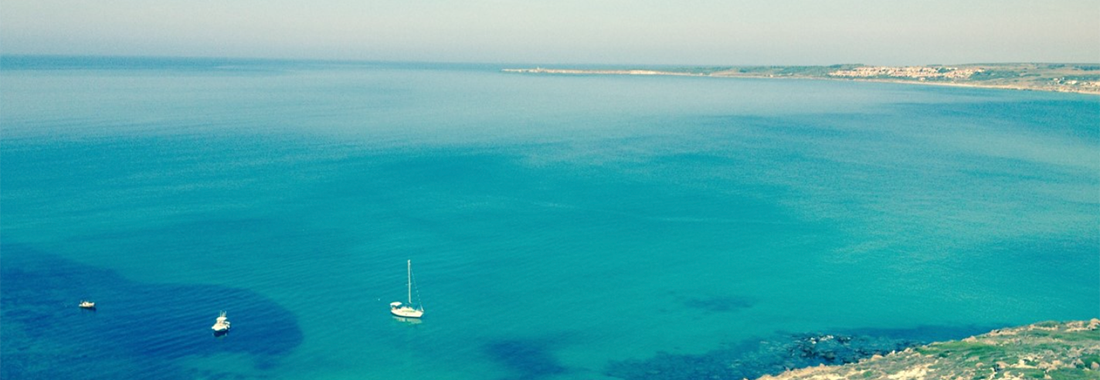
A laboratory to study the restoration of Posidonia Oceanica meadows and the tools for their protection. MEDSEAGRASS is the project to which the MEDSEA Foundation began in partnership with the Protected Marine Area of the Sinis Peninsula - Mal di Ventre Island. MEDSEAGRASS is funded by the MAVA Foundation and represents the continuation of the conservation actions carried out within the Maristanis project, focused on the protection and sustainable development of the wetlands and coastal areas of the Gulf of Oristano.
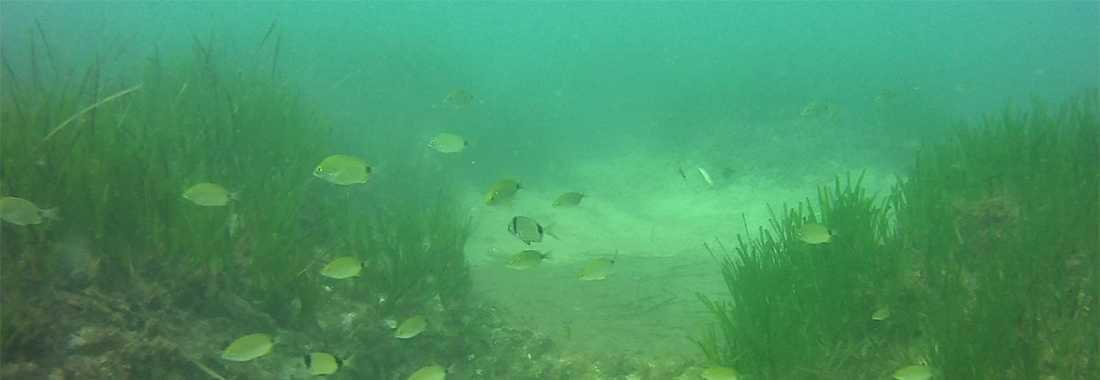
Illegal trawling, the improper use of nets and anchoring systems are among the main causes of degradation of Posidonia Oceanica beds in the Mediterranean Sea. "Posidonia is the most important habitat in the marine environment. It can be compared to forests. It produces oxygen and absorbs carbon dioxide, it hosts multitudes of species and stabilizes the seabed and dampens the wave motion, reducing the erosive processes of the coast”, explains Giorgio Massaro, MEDSEA marine biologist involved in MEDSEAGRASS.
The project provides for the reconstitution of the Posidonia on an area of 300 square meters, and a subsequent governance activity that aims, with the use of an app, to nullify the impact of the moorings in the area. A few weeks ago, the analysis of the seabed and identification of the most suitable site for the planting of Posidonia were completed. They have been carried out thanks to the use of an underwater drone.
"In general, the Posidonia of our MPA is in excellent health. However, we found some areas that show signs of wear due to anchoring. Sometimes Posidonia seems to be eroded by the repeated anchoring of small boats. But we also spotted deep (though rare) furrows on the seabed, probably left by more important boats. MEDSEAGRASS is also important as a pilot action that aims to verify the planting process in an area already widely regulated such as the MPA", continues Massaro.
"The MPA is happy to seize the opportunity represented by MEDSEAGRASS. The collaboration with MEDSEA and the MAVA Foundation is always fruitful, we work well together", says the director of the MPA Penisola del Sinis-Isola di Mal di Ventre, marine biologist Massimo Marras. “The laboratory established in our area is very important for the trial of planting techniques. At the same time, the project is functional in the continuation of our habitat conservation strategy, especially in relation to the problem of anchors. The information app for boaters will become a very important tool for managing the traffic".
The project is part of the M4 and M5 strategies of the MAVA Foundation for the period 2016-2022, focused on reducing anthropogenic impacts in the marine context.
Latest news

Ocean&Climate Village comes to Cagliari for the first time: MEDSEA engages schools and university students
For the first time, the Ocean&Climate Village came to Cagliari, bringing an exhibition dedicated to ocean awareness, the ocean’s role in regulating the climate, and the protection of marine biodiversity…

Il Viaggio delle Balene: Tracce nel Blu expedition concludes after 497 nautical miles of marine biodiversity research around Sardini
The scientific expedition Tracce nel Blu – Route for Biodiversity concluded on Friday, 9 October. It marked the second edition of ** Il Viaggio delle Balene (The Whale Journey)**, a…

Tracce nel Blu 2026: the new Il Viaggio delle Balene mission has set sail
Tracce nel Blu – Route for Biodiversity has set sail: the 2026 scientific expedition of Il Viaggio delle Balene, dedicated to cetacean monitoring, Mediterranean monk seal research through environmental DNA…

MEDCONNECT launches in Limassol: MEDSEA leads two Work Packages and the Italian National Hub
Turning blue innovation into solutions that can be adopted, financed and replicated across the Mediterranean. This is the challenge at the heart of MEDCONNECT, the new Mediterranean Lighthouse of the…

After Decades on the Seabed, Ghost Net Removed off Villasimius with GhostNetBusters
120 kg of fishing nets were removed from the seabed, while a further 510 kg of nets and other fishing gear recovered during previous operations were disposed of, together with…

"GhostNetBusters”: Patagonia joins MEDSEA and the Capo Carbonara MPA to free the seabed from ghost nets
Villasimius will host “GhostNetBusters”, an environmental initiative organised by the MEDSEA Foundation in collaboration with the Capo Carbonara Marine Protected Area, with the support of Patagonia

Posidonia oceanica: First Restoration Intervention Launched in Lacco Ameno Bay, Ischia
As part of the Oasi Marina initiative promoted by Beiersdorf and announced last year, MEDSEA Foundation has completed its first Posidonia oceanica restoration intervention in Lacco Ameno Bay, on the island of Ischia. The restoration…

CRESO Project Meets in Nice: MEDSEA Presents a Roadmap from Climate Risk to Coastal Action
The Interreg Marittimo project CRESO gathered its partners in Nice on 5 June 2026 for a full-day meeting dedicated to presenting the first year of work on a cross-border approach…

Wetland4Change, from research to planning: the project’s final meeting in the Camargue
Two days of discussion on wetland-based solutions for carbon sequestration and flood risk reduction. MEDSEA presented the results from the Marceddì–San Giovanni pilot site together with representatives of the Regional…

ARTEMIS, from pilot actions to Mediterranean-scale impact: MEDSEA at the final conference in Menorca
Three days of discussion on the results of the Interreg Euro-MED project dedicated to seagrass meadow restoration. MEDSEA presented the Sardinian pilot site and the communication work that documented two…

Posidonia Restoration: 15 ARTEMIS Recommendations to Support Italy and the Mediterranean in Implementing the Nature Restoration Law
The restoration of Mediterranean seagrass meadows must move from fragmented pilot projects to long-term, large-scale action supported by coherent governance and sustainable financing, according to the new report released by…

Marco Spinelli. The power of storytelling to protect seas
For Marco Spinelli, the sea has always been home. A photographer, documentary filmmaker and explorer of the underwater world, he grew up in Sicily, where he spent his childhood exploring the…

Mona Khalil: A Life Devoted to the Sea, Cut Short by War
The voice of Mona Khalil, guardian of southern Lebanon's sea turtles, has been silenced by bombs. For more than twenty years, Mona dedicated her life to protecting sea turtles on…

El Niño: The planet's irregular heartbeat that could also affect the Mediterranean.
El Niño is one of the most important natural climate phenomena on Earth. Although it originates in the tropical Pacific Ocean, it can influence weather and climate on a global scale…

Virginia Salzedo. Finding Resilience in a Fragile Sea
For those who truly know the sea, it is not only about whales or spectacular encounters with its most iconic inhabitants. This is certainly the case for Virginia Salzedo, an internationally…

Mediterranean Seagrass Restoration Efforts Continue in Greece
Following restoration interventions in Sardinia and Malta, MEDSEA has now completed a new restoration campaign on the Greek island of Arkoudi, working alongside iSea, a Greek environmental organisation dedicated to marine…
- 1
- 2
- 3
- 4